What’s Up with Pastor Todd 8-21-20

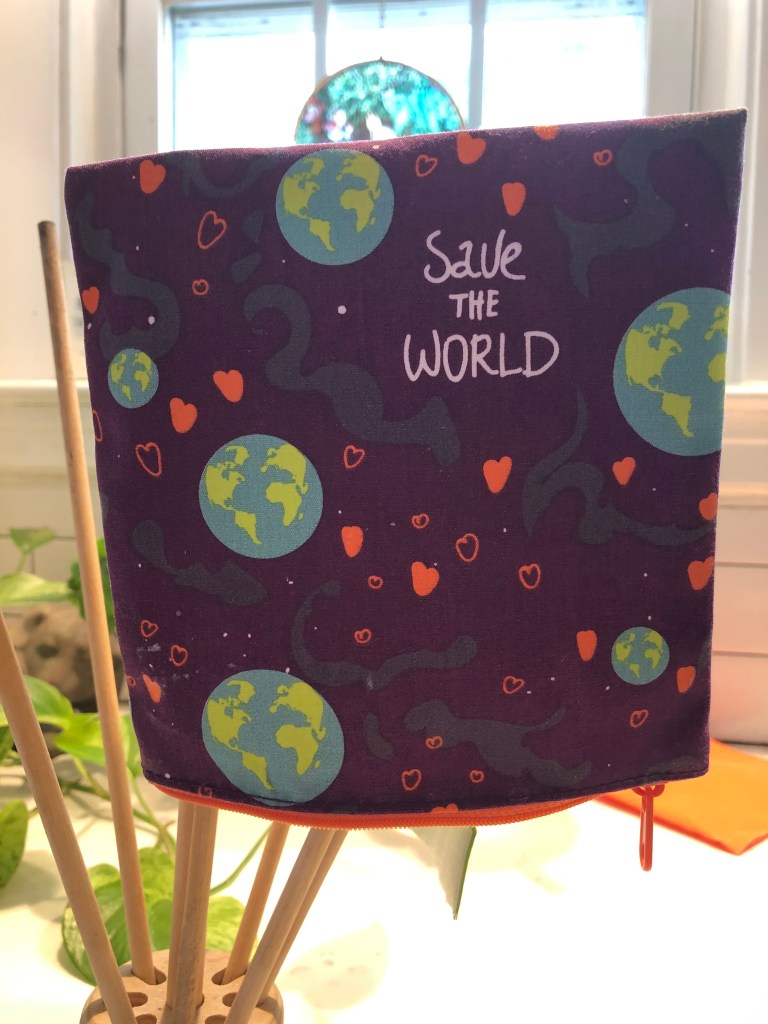
Reusable sandwich bag on our baggie drying rack.

What’s Up with Pastor Todd 8-21-20

“I consider that the sufferings of this present time are not worth comparing with the glory about to be revealed to us,” writes St. Paul in his letter to the Romans. I chose the Scripture text for the coming Sunday because we’re planning an outdoor pet blessing, safely physically distanced, no congregational singing. This weekend will be our first attempts at in person public events since the beginning of the coronavirus lockdown in March. 

Saturday we’ll be hosting an outdoor funeral for long time church member Shirley Young. (We had a “private” baptism last Sunday, originally planned for outdoors, but then quickly moved inside because of rain.) Prior to COVID, these would be familiar events and rituals. Now they are more complicated, more demanding, and–on the positive side of the ledger–an opportunity for our church to come together to do the “normal” things we do. Today (Tuesday) a group of us met at the church to set up a large tent to accommodate our funeral guests. It was good to work together on a task, chat, and look each other in the eyes.

Pet blessing is a great opportunity to remember our emotional and spiritual connection to non-human life on this planet. Many of us know the joy of greeting our pets when we wake up in the morning or when we come home from being away for any length of time. We have known sorrow when a pet dies. Or the contentment of snuggling with something furry. We talk to our pets, feed them, mourn them. They are family.

It is important to remember our intimate connection to non-human life for two reasons: 1) our faith, 2) our continued existence as a species on this planet. Caring for creation is an essential expression of our Christian faith. In our text for this Sunday, St. Paul writes that the whole creation “groans” waiting for humanity to get its act together. God created Earth and humanity as one organic whole. When we harm the planet, we’re harming ourselves. Which leads to reason #2: Scientists have been warning for decades about the devastating impacts of climate change. Life on this planet will continue despite anthropogenic climate change. The question is, Will this transformed planet still be habitable for humans? We have a shrinking window to make the changes necessary to minimize the impacts that are already happening. The time for humanity to get its act together is now.

Worship Resource: Prayer for Independence Sunday

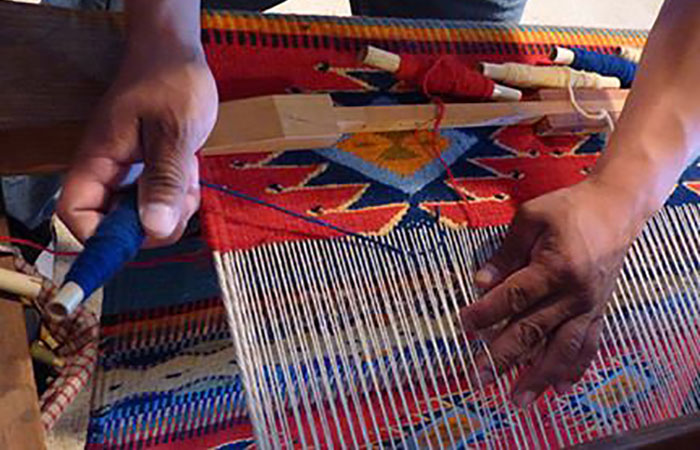
Make us weavers of the social fabric

God of freedom,

Through Jesus Christ you free us from sin. Though we remain selfish, we can choose generosity. Though we remain fearful, we can choose to act with courage. Though hatred raises its ugly head all around us, we can choose love.

God of unity,

Knit us together. The fabric of our nation is continually fraying. Though we need each other, our greed, anger, and ignorance keep us apart. Make us weavers of the social fabric. Make us lovers of the common good. Make us builders of a better world for all.

What’s Up with Pastor Todd 3-27-20

What’s Up with Pastor Todd 3-27-20

Welcome to the fifth week in Lent and the first week of Governor Ned Lamont’s “stay-at-home” order for the State of Connecticut. My wife, Nicole, who is Senior Minister at First Church in Windsor, my two daughters, who were sent home from their respective colleges to do distance learning, and I are learning to share work space in what a couple of weeks ago seemed like a more-than-adquately large house. I’m always glad when we’re together as a family, but the circumstances of this together time are difficult.

One of the difficult moments for me was two weekends ago. My oldest daughter, Fiona, who is a senior at Williams College, was required to leave campus along with almost all of her classmates. The campus is closed because of coronavirus. When the moveout notice came, I felt a mixture of sadness for Fiona–who was very upset to have to say goodbye to her friends, miss her final crew season, and miss all of the other rituals of senior spring–but also some selfish happiness that she would be coming home for a while.

What I wasn’t ready for was the feeling I had helping her pack and move out of her apartment. I suddenly had the realization that I was moving my oldest from college for the last time. Fiona went to boarding school for high school. So the rituals of move-in day and move-home day have been a part of our lives for the past eight years. In the fall, Fiona will be beginning her first full-time job and living on her own in Boston. She will be a full-fledged adult. This was a big moment, but there was no graduation ceremony, no bacclaureate. The family didn’t have time to gather. There were no graduation presents or cake. Also, the weather wasn’t right. In the past, moving our children from their dorms was done in the warm, late spring sunshine. The day I moved Fiona from her campus apartment for the last time was cold and gray.

We will get through this crisis time as a family. We will get through this crisis time as a church. And I’m hopeful, though the behavior of some worries me, that we will make it through this time as a nation. But we are lying to ourselves if we don’t recognize the fear, grief, and loss that many are experiencing. The kind of loss that Fiona and I and the rest of our family is experiencing around senior spring has a name for it: “ambiguous loss.” Ambiguous loss is a term coined by professor and psychotherapist Pauline Boss. Her book is entitled Ambiguous Loss: Learning to Live with Unresolved Grief. 

We experience ambiguous loss when conventional rituals and processes around grief are either unavailable or inadequate. Too often our culture devalues ritual, but things like funerals, graduations, weddings, going-away parties, or simply the chance to say good-bye are hugely important for helping us process grief and helping us heal. When those things aren’t available, grief gets frozen and our emotional and spiritual development gets stuck. A lot of us are going through experiences of ambiguous loss. It’s important that we recognize this and find ways to grieve and to heal.

A way to move through the experience of ambiguous loss is to find other ways of making meaning of the experience. For example, my dad came out as gay in 1991 and died of AIDS in 2012. I am dealing with this ambiguous loss by writing a memoir. How can we find creative ways of making meaning in the midst of global pandemic?

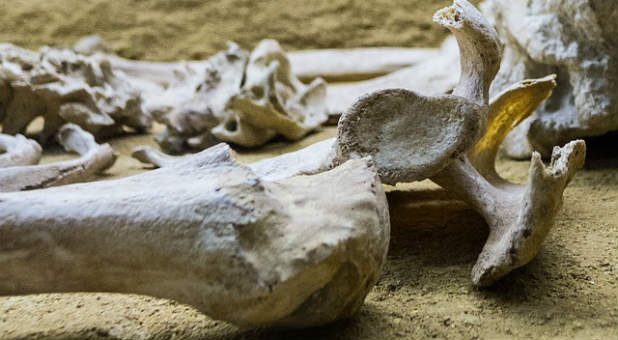
Ezekiel 37 records the prophet’s vision of a “valley of dry bones.” These are the remains of a devastating battle or a devastating disease: dead left unburied, lives left unmemorialized. It’s a terrifying vision of social annihilation. God asks Ezekiel, “Can these bones live?” Ezekiel responds, “O God, you know.” Then God answers God’s question by reconnecting the bones and putting flesh on them. Through God’s power the dismembered corpses are “re-membered” and given new life. The bones in this vision aren’t just the remains of ancient, long-forgotten soldiers. They’re your bones. They’re my bones. In this time when coronavirus has dismantled our expectations and thrown our futures into confusion, can we live? I can’t wait for God’s miraculous answer.

What’s Up with Pastor Todd 3-20-20

“The Daily” episode 18 March 2020

What’s Up with Pastor Todd 3-20-20

It’s a bit of a risk writing a piece scheduled to publish two days from now. A lot could change and likely will change in the intervening hours.

This morning I listened to the New York Times podcast “The Daily,” which I find helpful because the host, Michael Barbaro, usually takes one current issue and goes a bit more in depth than most news broadcasts.

Today’s podcast was an interview with New York governor Andrew Cuomo on his state’s response to coronavirus. I appreciated Governor Cuomo’s frank and honest assessment of the situation in his state and the clear actions New York is taking to “flatten the curve,” that is, slow the spread of the virus so that the healthcare system isn’t overhwhelmed, which will increase the chance that deaths can be minimized.

At the end of the interview Governor Cuomo made a direct appeal to everyone in his state to set their desires and self-interest aside for the good of the whole. He particularly appealed to those whose risk of serious health consequences from the virus is low to nevertheless observe social distancing protocols. He recognized that for many the closing of bars and businesses would have serious economic consequences but that in this case, saving lives comes first. As long as we have our lives, Governor Cuomo argued, we have an opportunity to figure out together how we will get through the economic consequences of this crisis.

I find myself strangely moved by the interview. I think the reason is that it reflects my values and my understanding of Christian values. You personally may not like Governor Cuomo. You may disagree with his policies and political positions on other important issues. The point of this piece is not to argue politics. The point is that the rhetoric of caring for one’s neighbor–”loving one’s neighbor as oneself”–as the Bible puts it, has been so absent from our politics for so long. I found it deeply moving to hear a politician calling for that kind of moral action.

The Old Testament Scripture for the fourth week in Lent is 1 Samuel 16:1-13. It tells the story of how God sent the prophet Samuel to find a new king for Israel. The new king didn’t come from the ruling class. He wasn’t rich, famous, or endowed with other conventional qualifications for the job (except, perhaps, that he was male, which is another “What’s Up” for another time). That future king, who was named David, turned out to be the greatest king of ancient Israel and the ancestor of the one Christians would come to recognize as Savior of the World, namely, Jesus.

The message of Scripture is that God raises up leaders from unexpected places in times of crisis. Our world is now in a time of crisis. Our politicians are calling for moral leadership. Now is our time as a church–one that professes to follow Jesus’ command to “love your neighbor as yourself”–to provide moral leadership for our town and the wider world.