
What’s Up with Pastor Todd 3-27-20
Welcome to the fifth week in Lent and the first week of Governor Ned Lamont’s “stay-at-home” order for the State of Connecticut. My wife, Nicole, who is Senior Minister at First Church in Windsor, my two daughters, who were sent home from their respective colleges to do distance learning, and I are learning to share work space in what a couple of weeks ago seemed like a more-than-adquately large house. I’m always glad when we’re together as a family, but the circumstances of this together time are difficult.
One of the difficult moments for me was two weekends ago. My oldest daughter, Fiona, who is a senior at Williams College, was required to leave campus along with almost all of her classmates. The campus is closed because of coronavirus. When the moveout notice came, I felt a mixture of sadness for Fiona–who was very upset to have to say goodbye to her friends, miss her final crew season, and miss all of the other rituals of senior spring–but also some selfish happiness that she would be coming home for a while.
What I wasn’t ready for was the feeling I had helping her pack and move out of her apartment. I suddenly had the realization that I was moving my oldest from college for the last time. Fiona went to boarding school for high school. So the rituals of move-in day and move-home day have been a part of our lives for the past eight years. In the fall, Fiona will be beginning her first full-time job and living on her own in Boston. She will be a full-fledged adult. This was a big moment, but there was no graduation ceremony, no bacclaureate. The family didn’t have time to gather. There were no graduation presents or cake. Also, the weather wasn’t right. In the past, moving our children from their dorms was done in the warm, late spring sunshine. The day I moved Fiona from her campus apartment for the last time was cold and gray.
We will get through this crisis time as a family. We will get through this crisis time as a church. And I’m hopeful, though the behavior of some worries me, that we will make it through this time as a nation. But we are lying to ourselves if we don’t recognize the fear, grief, and loss that many are experiencing. The kind of loss that Fiona and I and the rest of our family is experiencing around senior spring has a name for it: “ambiguous loss.” Ambiguous loss is a term coined by professor and psychotherapist Pauline Boss. Her book is entitled Ambiguous Loss: Learning to Live with Unresolved Grief.
We experience ambiguous loss when conventional rituals and processes around grief are either unavailable or inadequate. Too often our culture devalues ritual, but things like funerals, graduations, weddings, going-away parties, or simply the chance to say good-bye are hugely important for helping us process grief and helping us heal. When those things aren’t available, grief gets frozen and our emotional and spiritual development gets stuck. A lot of us are going through experiences of ambiguous loss. It’s important that we recognize this and find ways to grieve and to heal.
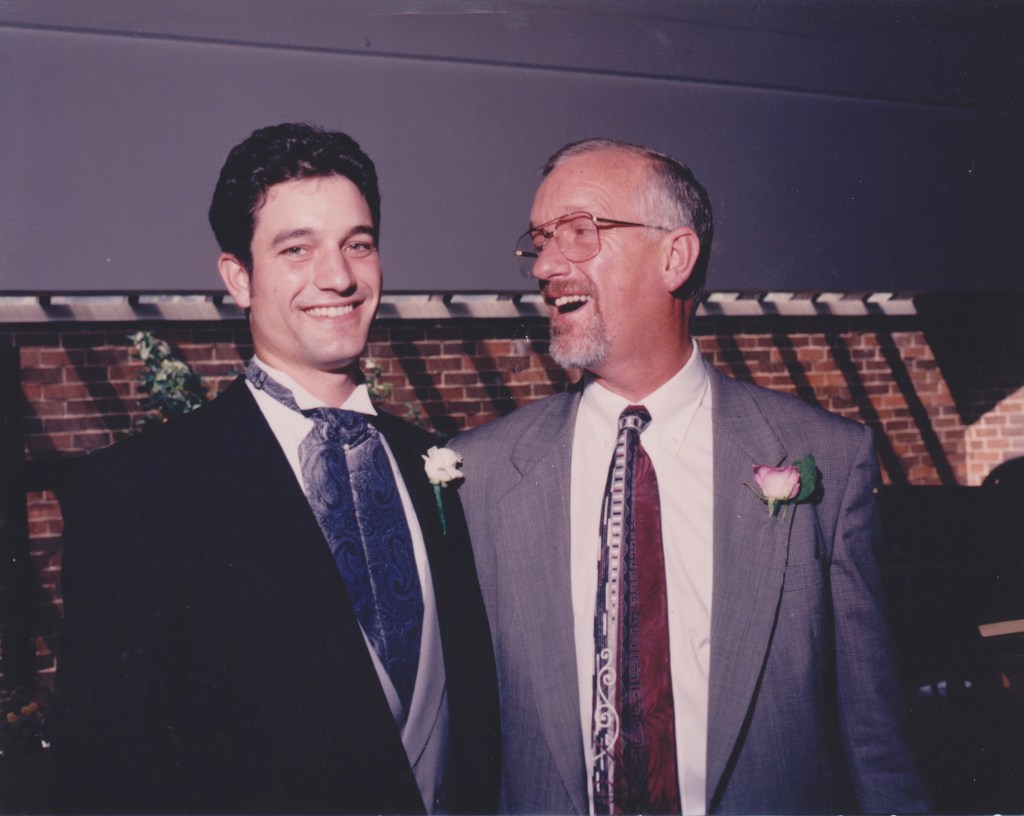
A way to move through the experience of ambiguous loss is to find other ways of making meaning of the experience. For example, my dad came out as gay in 1991 and died of AIDS in 2012. I am dealing with this ambiguous loss by writing a memoir. How can we find creative ways of making meaning in the midst of global pandemic?
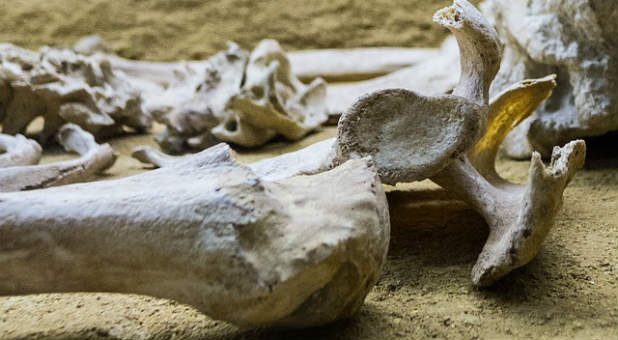
Ezekiel 37 records the prophet’s vision of a “valley of dry bones.” These are the remains of a devastating battle or a devastating disease: dead left unburied, lives left unmemorialized. It’s a terrifying vision of social annihilation. God asks Ezekiel, “Can these bones live?” Ezekiel responds, “O God, you know.” Then God answers God’s question by reconnecting the bones and putting flesh on them. Through God’s power the dismembered corpses are “re-membered” and given new life. The bones in this vision aren’t just the remains of ancient, long-forgotten soldiers. They’re your bones. They’re my bones. In this time when coronavirus has dismantled our expectations and thrown our futures into confusion, can we live? I can’t wait for God’s miraculous answer.
 Todd Grant Yonkman