Those Who Dream Are Not Alone

What’s Up with Pastor Todd 12-17-21
Some of you have heard me tell this story before. It’s one of my favorites. Context: My youngest daughter, Olivia, attended four different schools from second to third grade. It was in the middle of the Great Recession, and for employment reasons our family ended up moving from Indiana to Maine to Rhode Island. Little Olivia started out the school year at Hoosier Road Elementary (Indiana), beginning in December attended Milbridge (Maine) Elementary, and then finished second grade at a public elementary school in Cranston, RI that I can’t even remember the name of. Next fall she began third grade at yet another school–Community Preparatory School in Providence, RI. The good news is that Community Prep is an extraordinary school that ended up being a game-changer for both Olivia and her older sister, Fiona.
The story goes like this. It was Olivia’s first week at Community Prep. I picked her up after school. She threw her backpack in the back seat and climbed in after it, chattering the entire time. I asked her, “Did you make any new friends today?” Olivia replied, “Daddy, they’re all my friends. Some just don’t know it, yet.”
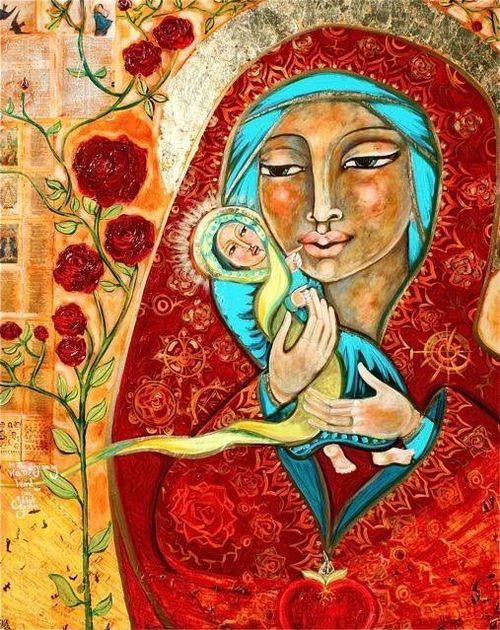
Our theme for the Fourth Sunday of Advent is “Those Who Dream Are Not Alone.” Here’s why: God is with us. When the angel visited Joseph in a dream to tell him that his fiance was pregnant with the Son of God, the angel quoted the prophet Isaiah: “‘Look, the virgin shall conceive and bear a son, and they shall name him Emmanuel,’ which means, ‘God is with us.’” I know what it’s like to feel lonely. I know what it’s like to feel separated from the one’s you love. The pain can be excruciating. In those moments remembering that the same God who was with Mary and Joseph is with me and my loved ones helped me sit with that feeling of separation long enough for it to transform into motivation to pick up the phone and make a connection. The love that is strong as death (Song of Songs 8:6) that nothing in the universe can separate us from (Romans 8:38-39) that binds all things together in perfect harmony (Colossians 3:14) is always and everywhere available to us. It means that we’re always already connected. Our job as Christians is simply to make that already existing connection real in the world.
My spiritual director likes to say that spiritual practice is about cultivating a “basic friendliness” toward ourselves and others. On this Fourth Sunday of Advent when we remember God’s love incarnate in Jesus, I invite us to remember that those who dream are not alone because God’s love always already connects us. When we’re feeling disconnected and alone, I invite us to consider Olivia’s wise words, “They’re all my friends. Some just don’t know it, yet.”


What’s Up with Pastor Todd 12-10-21
A few weeks ago I was driving home from church when I noticed that something was different about the right rear of the car. Flat tire? I didn’t hear the sound of a rim rolling on the pavement, so I wasn’t sure. I was almost home, so I just continued driving until I pulled in the driveway. Sure enough, the right rear tire was deflated but not flat. I was short on time, so instead of putting the doughnut on myself I called AAA. When the AAA guy took the tire off he showed it to me. A patch of the rubber outer layer had worn clear through exposing the steel belts beneath. When I brought the car to the shop to get the tire replaced the mechanic explained that when the wheels are out of alignment the tires wear unevenly. If you don’t catch it in time you get blowouts like the one I got. Alignment is key to keeping your tires in good shape for driving.
Our theme for the third Sunday of Advent is “Those Who Dream Sow Joy.” The Scripture is once again from the prophet Isaiah. The context for this particular prophecy is the return of the exiles from Babylon to their homes in Judah. Earlier prophecy had created in them great expectations for what their return would be like–comfort, rejoicing, salvation–all the good stuff. What they found upon return was a homeland in shambles. Rebuilding was slow and difficult. Even more challenging than putting roofs over their heads was reweaving the torn social fabric that had made their homeland a home in the first place. Those who had dreamed of returning were becoming disillusioned. Maybe this was a mistake. Maybe they should have stayed in Babylon. To these folks the prophet says, “They will be called oaks of righteousness, the planting of the LORD to display his glory. . . . For as the earth brings forth its shoots, and as a garden causes what is sown in it to grow up, so the Lord God will cause righteousness and praise to spring up before the nations.”
What do tires and exiles and oaks have in common? Alignment. I think we can all resonate with the frustration and disappointment of the exiles. Rebuilding is hard. The obstacles between our dreams and reality often seem insurmountable. The prophet is inviting us to shift our view: to see rebuilding as replanting. Creating a sense of belonging is an organic process. Our role is simply to plant seeds of hope, love, and justice. Our role is to turn the soil of our hearts, to tend the gardens of our relationships. God will bring fruit in its time. Our job is simply to align ourselves with God. The process itself will do the heavy lifting. This is why Jesus can say, “Come to me you who are weary and heavy laden. Take my yoke upon yourselves and learn from me, for my yoke is easy and my burden is light.” This is not to say that alignment with God doesn’t require anything of us. In fact, it requires everything. It requires us to pray as Jesus did, “Not my will but your will be done.” Nevertheless, living in alignment with God and one another allows us to tap into the source of all things–a limitless energy that causes the plants to grow and the fish to swim and our hearts to sing with praise.
Years ago I attended a church vitality conference. One of the speakers was the pastor of a small New Hampshire church that had experienced a dramatic turnaround. A congregation in shambles had become vibrant. Someone asked the pastor her secret. She said, “I follow the energy.” Where do you find life energy in and around you? How can we align ourselves with the new life God is always already bringing forth? When we continually keep these questions in mind, we will find ourselves continually sowing seeds of joy.

What’s Up with Pastor Todd 11-26-21
The theme for the First Sunday of Advent is “Those Who Dream Keep Awake.” On one level this sentence contains a contradiction. How can those who keep awake dream? We know that dreams happen when we’re sleeping. That was assumed to be the case in many of the dream stories we studied throughout the fall. In the cases of Pharaoh and Nebuchadnezzar, the Bible tells us that their dream messages from God disturbed their sleep, which motivated them to seek an interpretation from Joseph and Daniel respectively. In what sense do those who dream keep awake?
Those who dream keep awake by keeping their eyes open and their hearts attuned to what God is doing in the world. Our Scripture text for Sunday is Mark 13. Scholars call it the “little apocalypse.” It is a sermon by Jesus that he gives to his disciples during his final days on earth. He gives them instructions on how his followers can live faithfully in the midst of upheaval. “Apocalypse” comes from a Greek word meaning “revelation.” Jesus is giving his disciples a “peek behind the curtain” so that they can see that God is active in the world even when circumstances are difficult. When we see through the eyes of faith even difficult circumstances can be a source of hope because they reveal more clearly God’s actions on our behalf.
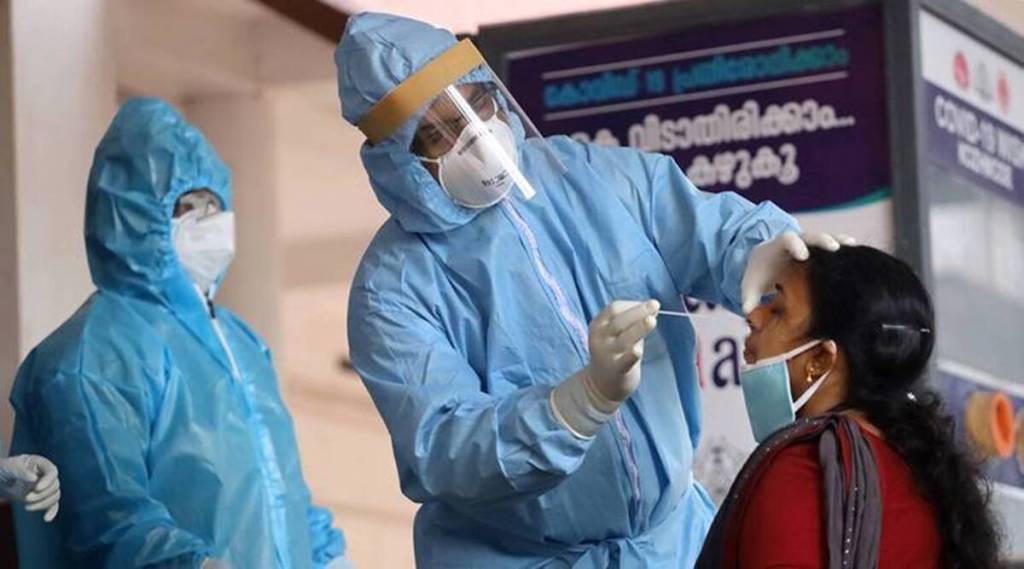
I enjoy watching “post-apocalyptic” movies. This is a genre of movies in which some great cataclysm has taken place. Survivors are confronted with the challenges and perils of creating new ways of living in the face of greatly altered circumstances. My daughter, Olivia, is a film student. Last year she and I were talking about post-apocalyptic movies. We noted that one of the common apocalyptic scenarios is global pandemic to which I responded, “We don’t have to wonder about what living through an apocalypse would be like anymore. We’re living it!” It’s no surprise to me that real life apocalypses are much more mundane than movie apocalypses.
In his apocalyptic sermon Jesus encourages his disciples to “keep awake.” This means cultivating awareness of what God is up to and to keep focused on what is truly important in life. Last Sunday after our Thanksgiving worship a group of volunteers decorated the church for Advent. A church member and I found ourselves chatting and setting up an artificial Christmas tree in Cook Hall. He said to me, “I’m so grateful for being alive and that we can be together, but I forget to be thankful. That’s why I need worship so I can remember what is truly important.”
Though theology can be incredibly complex and subtle, thought the language of faith can at times sounds strange and unfamiliar, the practice of keeping awake is very simple: gathering in person or online for worship, taking time daily for prayer and meditation, again and again giving ourselves whole-heartedly to just this moment: just chopping the carrots, just washing the dishes, just talking with friends, just watching the birds at the feeder, just this grief, just this joy, just this loneliness, just this one precious life.

What’s Up with Pastor Todd 11-19-21
This week I had the honor of being interviewed by Rev. Dr. Jim Latimer for his “Wisdom from the Field” podcast. We covered four topics: 1) Why I use “Transition” in my title, 2) Shifting from a white dominant ministry model to a multi-ethnic one, 3) Know your options for a future with hope, 4) Walking with a congregation through the decision to sell their building.
It was a lot of fun working with Jim. Last week we did an hour-long “pre-interview interview” to get a sense of the topics we wanted to cover and how to focus them. The actual interview was done over Zoom in four 10-15 minute segments, which Jim will produce and make available on his Website www.coachingforinterims.com. I look forward to hearing how they turned out.
I love talking about ministry, congregations, transitions, social justice, and everything God is up to in and among us, so you can imagine it was a pretty high energy conversation. I’ll let you know when the podcast is available.
Also last week I led an in person and online “Zen for Christians” meditation class at First Church in Windsor. We had seven in person attenders and 170 online. We’re talking about the possibility of making this a regular offering. Zen meditation practice has been a powerful tool for transformation in my life over the past 22 years. I’m happy for the opportunity to make it available to others. Check out First Church in Windsor Facebook page and website for upcoming dates and times.
Additionally, the holidays are upon us. Deacons, Church Council and staff from both First Church and South Church have been planning for safe, meaningful, and memorable celebrations of Thanksgiving, Advent, Christmas, and Epiphany. If you haven’t been to church in a while, now’s a great time to reconnect.
What’s Up with Pastor Todd 11-12-21
There was a lot of First Church related activity last weekend. A group of First Church and South Church members participated in the Habitat for Humanity Faith Build in East Hartford. Anne delCampo and Paula Modine participated in a Granby prayer walk organized by Life Church New England, Serve Team led our monthly food drive, Kerri Krough and Beth Lindsay led our weekly Grab and Go snack pack program, the Steering Committee for Granby Racial Reconciliation (GRR) met in Cook Hall with facilitator Malik Champlain for our first ever retreat, we celebrated a Veterans Day Union Service with South Church, and GUCCI–the steering committee for our collaboration/consolidation project–met to move that process forward. This in addition to all the other ways First Church folks express our Christian faith in our communities. Though choosing can be difficult, I love it when there’s more stuff happening than I personally can participate in. It’s a sign of a vital church.
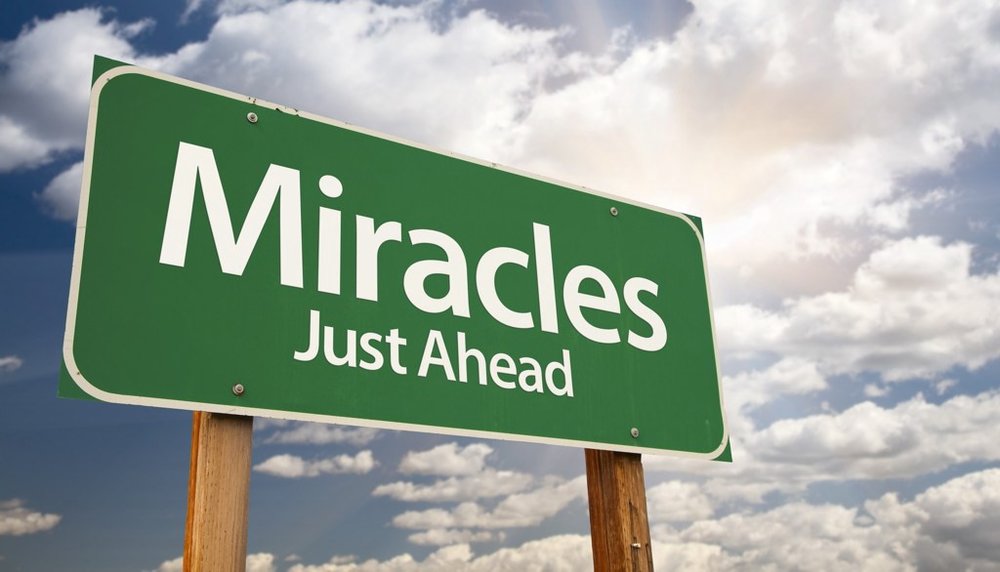
The GRR retreat was particularly energizing for me. To be honest, I was feeling tired and uninspired about spending Friday evening and Saturday morning doing the difficult work of deconstructing the racial biases and blindspots that continue to affect and infect my attitudes and behavior. It is scary, uncomfortable, unending work. And yet by the end of the retreat I felt like I had witnessed a miracle. Our group of five people of color and six white folks forged even deeper, honest, and more authentic relationships under Mr. Champlain’s leadership. I left feeling energized about what is next for this group.
At First Church we have been through a lot together over the past 2.5 years. Together we have faced grief, disappointments, confusion, a global pandemic, and an uncertain future. We have also witnessed miracles. When I arrived in 2019 I didn’t imagine the level of transformation that would happen in our church and in the Town of Granby. I look forward to seeing what the coming weeks and months will bring.
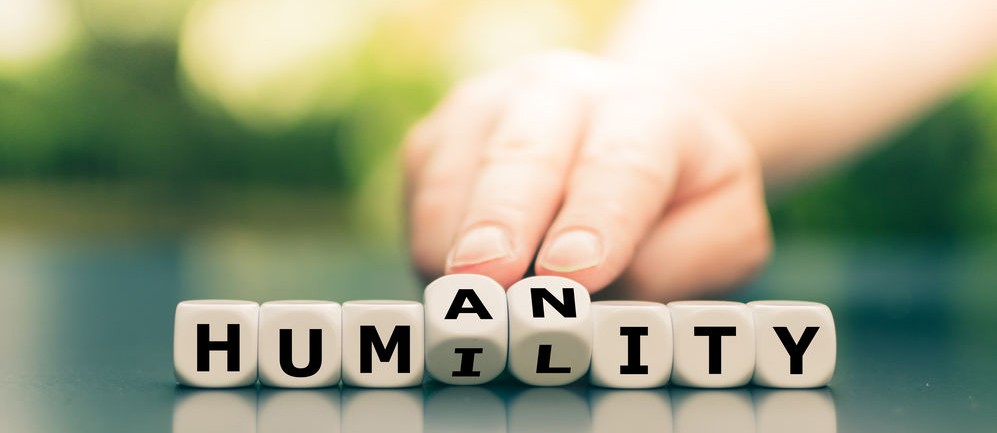
God of all creation–earth, sky and sea–teach us the way of humility, of “humus,” of earth, soil, and growing things, root us in this very place, nourish us with your boundless love, which meet us in this and every moment. God of every perfect gift, we thank you for your Son Jesus who emptied himself for our sake. Teach us the way of open hands and open hearts. Teach us the way of peace. Amen.
 Todd Grant Yonkman